

Roof Openings in Steel Detailing: Designing for Strength and Functionality
- gokul raj
- Dec 20, 2024
- 3 min read

Updated: Jan 3


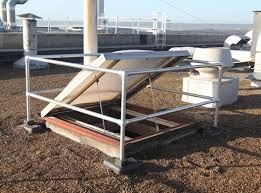
Let us walk you through roof openings and why they’re so crucial in construction, especially when it comes to steel detailing. Imagine these openings as carefully designed spaces in the roof—they’re not just voids but purpose-driven features that make buildings functional and efficient. Let’s explore!
What Are Roof Openings?
Roof openings are specifically planned spaces in a roof structure. They’re used for things like skylights, vents, HVAC ducts, access points, or chimneys. Think of them as the necessary gateways for ventilation, natural light, and system access. Here’s how they help:
Ventilation: Openings like vents ensure proper airflow, keeping the building’s temperature and humidity in check.
Natural Light: Skylights brighten interiors by letting in sunlight.
System Access: Openings provide easy entry for maintaining HVAC systems or other utilities.
Exhaust Control: Chimneys and vents allow gases or smoke to escape, which is essential for safety.
Why Are Roof Openings Important in Steel Detailing?
Now, let’s talk steel! When we’re detailing a roof with openings, it’s not just about leaving a hole. It’s about making sure the roof stays strong, functional, and safe. This involves:
Precise Calculations: The size and placement of each opening are calculated to maintain the roof’s structural integrity.
Seamless Integration: Openings are designed to blend smoothly into the roof structure without causing weak points.
Safety and Functionality: Every opening is aligned with design and safety standards to ensure it serves its purpose effectively.

Types of Roof Openings
Let me give you a quick rundown of the most common types of roof openings:
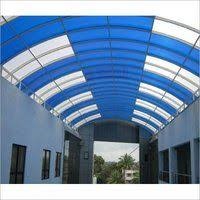
Skylights
These are your natural light sources. They’re usually made with transparent or translucent materials to brighten up the interiors.
Ventilation Openings
These provide airflow to keep indoor spaces comfortable by regulating temperature and humidity.
HVAC Duct Openings
These are crucial for air circulation, allowing HVAC systems to do their job efficiently.
Access Hatches
These openings are for maintenance teams or emergency personnel to safely access the roof.
Chimney and Flue Openings
Found in residential and industrial settings, these handle exhaust gases or smoke.


Challenges in Roof Opening Detailing
Here’s where it gets interesting. Roof openings aren’t as simple as cutting out a piece. There are challenges we tackle, such as:
Structural Integrity
Openings can weaken a roof if not planned properly. We ensure the roof stays strong by using reinforcements and supports.
Fabrication Accuracy
Precision is key. Even a small error in fabrication can lead to issues during installation, affecting safety and functionality.
How Do We Handle Roof Openings?
Here’s how we ensure perfection every time:
Size and Location Planning
We carefully plan the sizes and positions of openings based on architectural, mechanical, and hydraulic drawings.
Support Structures
For smaller openings, we use C-purlins, leaving proper clearance for the specified sizes.
For larger openings, we use structural steel members as supports, based on engineering requirements.
Secure Connections
For purlins, we use GPB brackets to connect everything securely.
For steel members, we follow detailed engineering specs for robust connections.
Detailed Layout Drawings
We provide clear, accurate drawings showing exact opening locations to streamline the review process and make on-site work easier.


Let’s Build With Precision
Roof openings are a critical part of any structure, and when detailed correctly, they ensure functionality and safety without compromising on strength. If you have a project with specific roof opening needs, let’s discuss how we can deliver precise, reliable solutions tailored just for you.
Got questions about your next project? Let’s connect.
📞 Call us: +61 478 727 338
📧 Email us: shyam@sharcon.com.au
🌐 Visit our website: www.sharcon.com.au


Comments